Our story
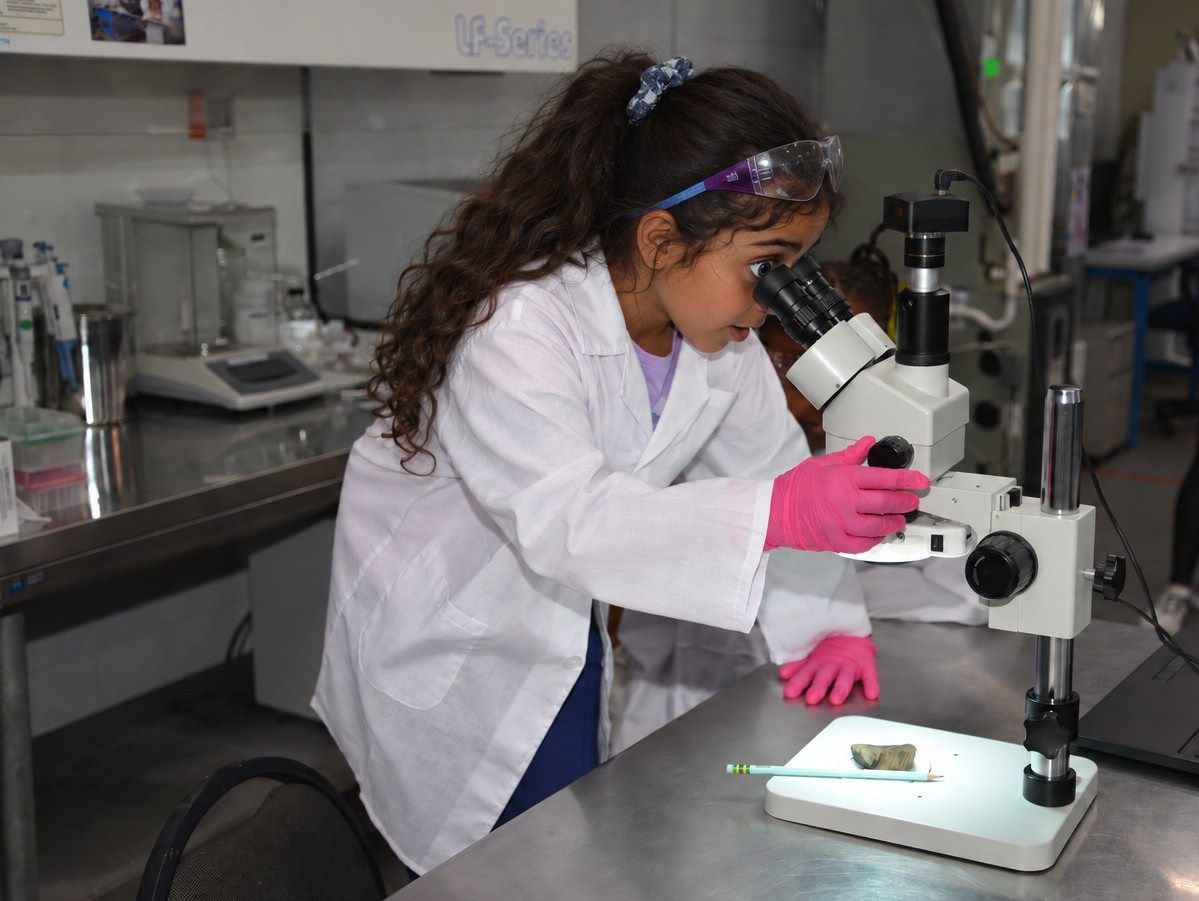
MiLab started with one class, six kids, and a belief that hands-on STEM should be accessible to everyone.
"Every kid deserves access to real science and real engineering — not worksheets, not videos, but the actual experience of discovering something through their own hands."
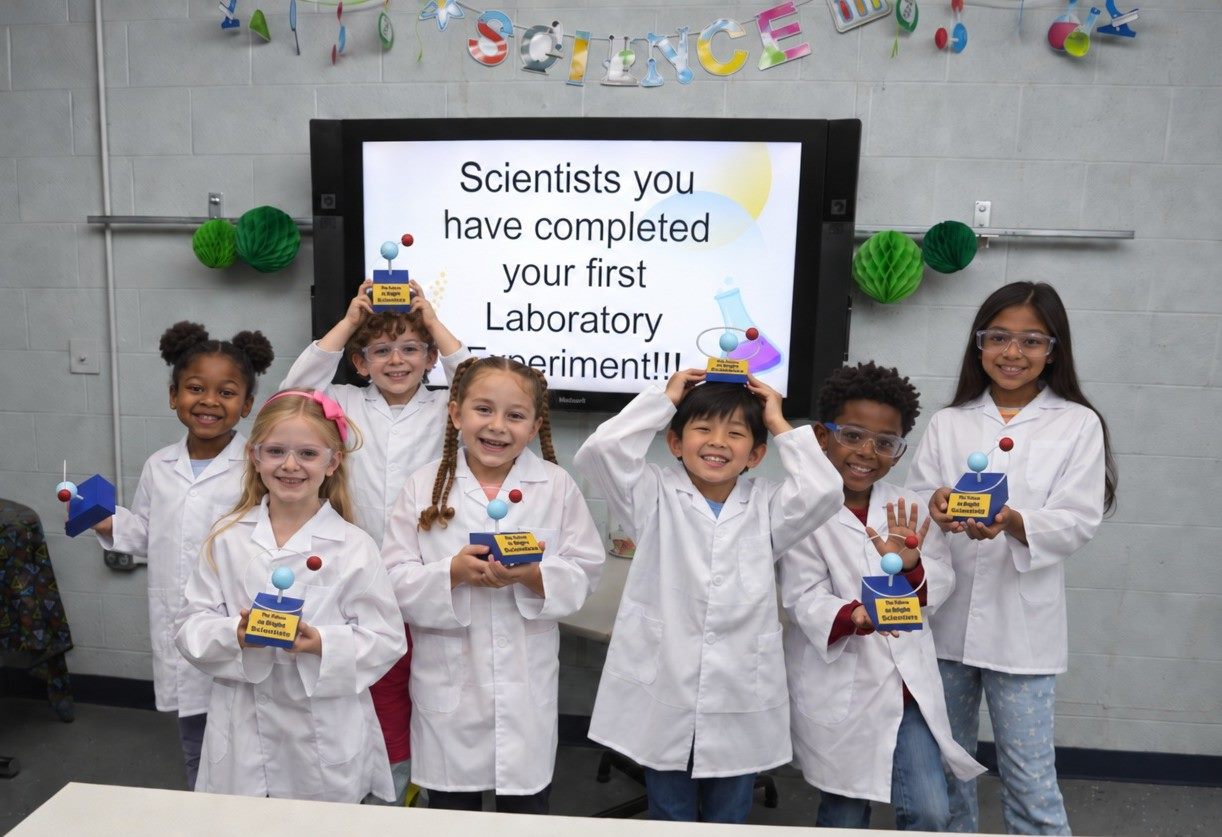
MiLab began as a simple experiment: could a small, structured, hands-on science class actually move the needle for kids in our community? We ran a pilot — six students, one hour a week, four weeks. The answer was obvious. The kids loved it. The parents noticed the difference. And we knew we had something worth building.
So we're building it properly. MiLab is organized as a non-profit because we believe access to quality STEM education shouldn't depend on a family's ability to pay full price. Grants, donations, and community partnerships will let us serve more students over time — including those who need a scholarship to attend.
For now, we're focused on running excellent programs, collecting real data, and proving that this model works before we scale it.
Non-profit structure
Organizing as a 501(c)(3) isn't just a legal choice — it's a statement about who we're building this for. It means grants, donations, and community support can flow directly into program subsidies, equipment, and eventually a dedicated space.
It also means accountability. Non-profits publish financials, answer to a board, and exist to serve a mission — not to generate returns. That's the right structure for what MiLab is trying to do.
Our 501(c)(3) application is in progress. In the meantime, we're operating transparently and building the evidence base that grant funders want to see.
Where we're headed
We're starting small and proving it works. Here's what comes next.
Launch our first Intro to CAD cohort — founder-taught, small group, and focused on proving the model before we scale.
Complete non-profit filing, apply for PTC and Saginaw Community Foundation grants using pilot data.
Secure a permanent lab space that allows multiple cohorts per week and specialized equipment.
Maker space, robotics, music technology, college credit pathways, and a downtown Saginaw home.